
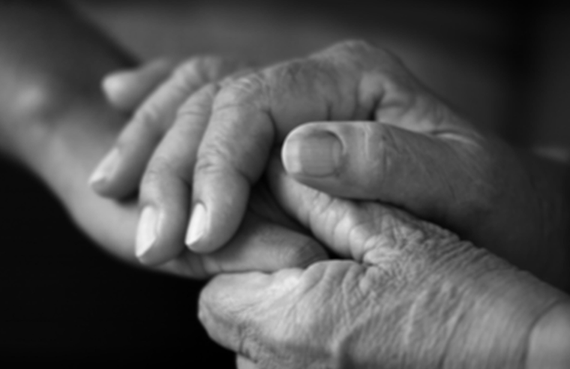
A recent NHS census analysis found a relationship between the hours of care given by the 5.4 million unpaid carers in the UK and their health. 64% of unpaid carers stated a lack of provision of care for themselves as the cause of a wide range of health problems, they’re also needing a caring touch. Carers make a major, and often unsung, contribution to their communities. It is arguably immaterial, but the exchequer would have to find 130 billion every year if these silent workers were on the payroll.
While unpaid carers help and support their sick or disabled siblings, parents, relatives and/or their friends, they are more than twice as likely to suffer from poor health than those without caring responsibilities. Crucially it is children, young carers between the ages of 5-18, who are more likely to be unsupported. Young carers often juggle their responsibilities alone. Evidence increasingly points to an adverse impact, not only on their social and leisure activities but their physical and mental health and even future employment opportunities. For many young carers their burden is simply part of the prosaic reality of their daily life and routine, one which can be unsupported outside the home simply because they don’t know where to go for help. The reality is that many child carers can’t choose what to do with their leisure time and head home after school because that’s where they are needed. They’re there for those who need them, but who is there for them?
One such resource, a model of care for the young carer if one were needed, is The Wiltshire Young Carers Service, Youth Action Wiltshire (YAW) which last year celebrated its 70th anniversary. Steve Crawley, Head of YAW, has worked with young carers from Wiltshire for 19 years and says: “The support we provide includes mentoring, coaching, advocacy, information, advice and guidance, training and a wide ranging programme of respite activities and breaks, designed with young carers to help them be safe, happy, healthy and to do well at school and in the future. It was established in 1998, as one of the first young carers support projects in the country.” It’s a wonderful resource and goes some way to giving a caring touch
The Children’s Society estimates there are more than 800,000 young carers across the country. They campaign for policy change, support schools and help to raises awareness of young carers’ needs. Action For Children who help to identify young carers and work in close partnership with schools, education welfare, children’s social care services and GPs, have teamed up with Over The Wall, a UK wide children’s charity and a member of the International Serious Fun Children’s Network. Over The Wall supports children and young people facing serious health challenges through residential therapeutic and recreation camps. Their camps are free and help to develop the confidence, self-esteem, coping strategies and relationships of their campers.
Our society is quietly, and not so quietly, evolving into a more caring one as a matter of necessity. Beyond the voluntary and government sponsored services such as fire brigade, life-boat, air ambulance, mountain rescue and first-responders – to name a few – the army of silent young carers, many times more in numbers than all of them put together, look after the health, welfare and protection of those among us who need extra care to live their lives.
The research shows that, apart from physical injuries, the main health risks for carers come from anxiety, lack of sleep and depression as well as high blood pressure and a range of stress-relates illness. Caring for a relative in long-term need is often accompanied by distress, frustration, guilt and exhaustion.
The range of support services available in London is increasing year on year and an increasing number offer therapies as part of their resources for the health and well-being of carers. In Brent, for example, the Brent Carers Centre is one service that offers relaxation therapies such as yoga and massage. The impact of touch therapies continues to make inroads into conventional well-being resources and the findings of research commend its place there. Touch therapies such as massage and Reiki are becoming common approaches to relieving stress and anxiety. As carers are much more likely to suffer poor health than those without caring responsibilities, it is a vital resource to help support them and one which is gradually increasing as part of the service of care for carers in London. Those who scoff still at the efficacy of such therapies will have to drag themselves kicking and screaming to the evidence from gold standard research that continues to pour out of universities.
While the research shows beneficial effects, the mechanisms that cause beneficial physiological changes need further research. One common finding, from the Institute of Neurological Sciences in Glasgow, among others, is that touch lowers heart rate and blood pressure. Duke University in Durham, North Carolina found that touch and massage reduces stress hormones such as cortisol and adrenaline and appeared to increase levels of melatonin and the hormone, serotonin, which has long been associated with improvement in mood. In America, the Touch Research Institute at the University of Miami School of Medicine has carried out more than 100 studies into touch therapies and found that health benefits are significant. Cincinnati Children’s Hospital is one of several leading health centres in the US that now uses healing touch therapy. “Research has demonstrated that patients who receive healing touch, the caring touch, experience accelerated wound healing and relaxation, pain relief and general comfort,” said a spokesman. It is hard to dispute such evidence.
Touch has a sophisticated psychology and is deeply embedded in the development of our sense of self. The senses help us to socialise and connect with others in a way filled with meaning. The language of touch constitutes and establishes the nature of our human relationships. The research findings are that touch forms a vital part of our physiological and psychological regulation. Humans reliably signal their feelings and intentions with touch: love, gratitude and sympathy as much as enmity and indifference. It’s not just throughout childhood we experience touch as a form of healing and holding as a signifier of safety, protection and comfort. It sets the early template for the approach to the boundary of our bodies as one that tells us we’re going to be ok. It is enough to look to the psychology of touch for its power as a remedy for that which disconnects us from our feelings of security and welfare. It is intrinsic to the provision of care because It embodies the helping hand, at whatever age, and signifies we are not alone.
Our digitally enhanced world is one nevertheless embedded in a psychological, biological and social reality. Care for the carer and the carers’ need for support across the range of their experiences as carers, family members and members of their community, can be better seen as a collaboration in which we are collectively responsible for looking after all those members of our communities who need it.