
New research is showing that certain complementary therapies help people cope better with the side-effects of surgery, chemotherapy and radiation. The number of hospitals and cancer support centres where such treatments are available grows year on year and for good reason, as evidence from research recommends it, and where the evidence goes so does medicine.
Complementary therapies help patients to reduce the stress and anxiety that comes with cancer treatment; and anything that helps someone feel they are coping better will improve their overall sense of well-being. The role of the therapist is central: having someone skilled and caring provide their undivided attention for your physical, emotional, psychological and spiritual needs can be a real help while undergoing conventional medical care. Fiona Kiddle, a Macmillan Cancer Information Nurse at Cherry Lodge Cancer Care in Barnet says: “Complementary therapies have become for many an essential part of the wider package of care for those being treated for cancer. As a support for conventional treatment these sorts of therapies help so many people cope with their life-changing illness; the benefits can’t be disputed.” Broadly, complementary treatments fall into the following groups.
Mind/Body therapies such as meditation, art and music therapy, hypnotherapy and deep relaxation. Research has shown that deep relaxation, for example, has a positive effect on blood pressure and digestion and reduces the stress hormones in the body which can help the immune system. While the research continues it is clear anything which supports a person’s psychological experience such as feeling less anxious can have a direct impact on how the body responds to treatments.
Energy-based treatments such as Reiki, Therapeutic Touch, Acupressure and Reflexology are increasingly available in hospitals and cancer care centres. Gold standard research, funded by the National Lottery, was recently undertaken at a major NHS Hospital and showed compelling statistically significant results which will do much to dispel the attitude that such treatments offer little more than placebo. The findings, described as ‘spectacular’ by one senior clinician, commend these therapies to become part of mainstream health care.
Massage. There are many different types of massage therapy and, in common with mind/body therapies, massage can help to relieve tension and stress and relax body and mind. The research shows it can also aid the lymphatic system, helping to filter germs and disease.
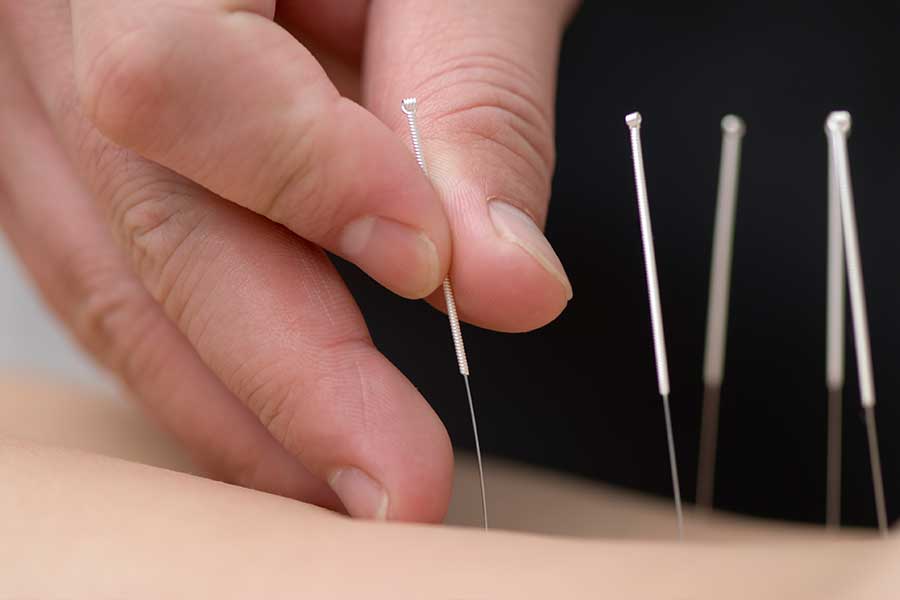
Western Medical Acupuncture is accepted as evidence-based medicine and is available on the NHS. It is a popular treatment in cancer centres; among many benefits, it helps relieve the nausea and sickness of certain chemotherapy drugs.
Complementary therapists now work alongside clinicians in many hospitals including UCLH in London where they are considered an essential part of the multi-disciplinary team providing support to cancer patients undergoing medical treatment. This is only the barest overview of the subject. There is an ever increasing body of research information available on how complementary therapies are helping cancer patients.